Understanding the Fundamentals of Acrylic Bonding
In the global sanitary ware market, the integrity of high-end acrylic fixtures depends heavily on the chemical bonding agents that hold them together. Navigating the complexities of material compatibility, cure times, and long-term durability is essential for international procurement officers seeking to maintain brand reputation. As part of a strategic procurement framework, identifying the Top 10 Suppliers of Acrylic Bathtub Adhesive In the World has become a benchmark for quality assurance. Selecting a partner in this space requires more than just reviewing a product catalog; it demands an evaluation of manufacturing excellence, R&D capabilities, and the technical nuances of adhesive polymers. This guide provides a systematic approach to evaluating adhesive quality, using the manufacturing standards of industry leaders as a reference point for global excellence.
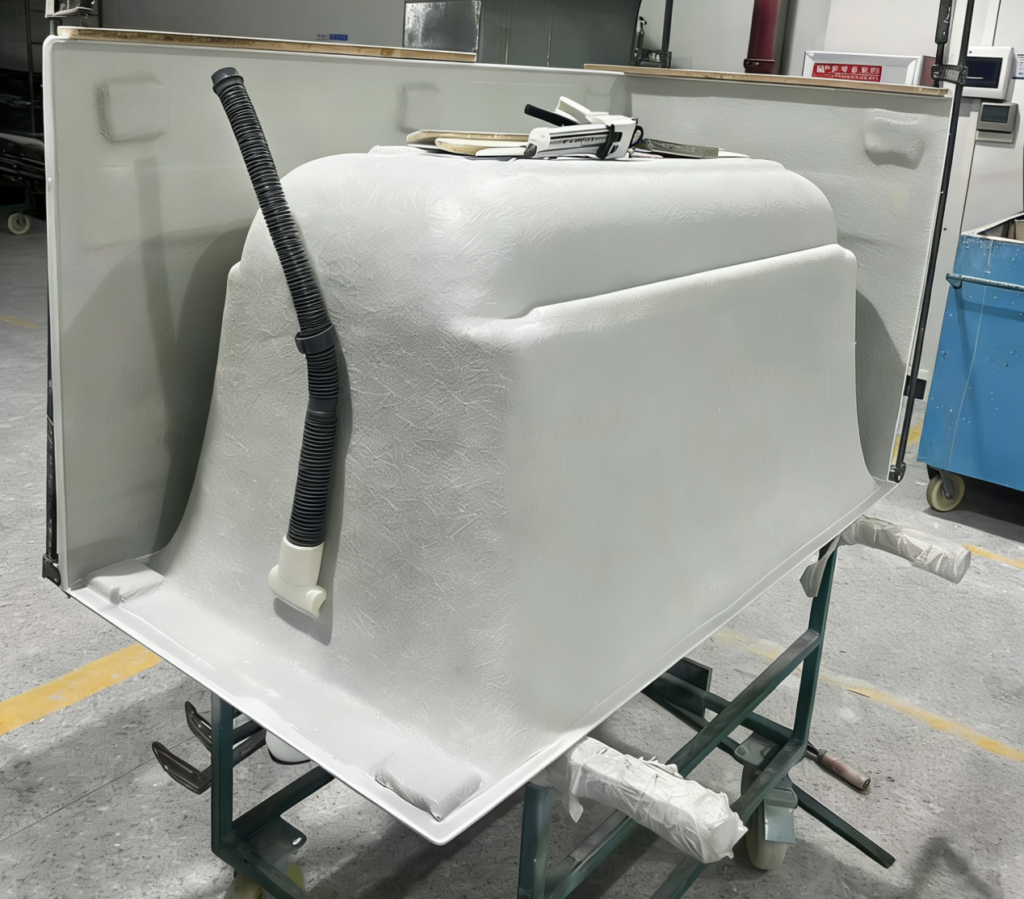
Acrylic bathtub manufacturing involves sophisticated thermoforming processes where the final structural integrity is often determined by the seamless bonding of components. A Superior Seaming Adhesive must do more than simply stick two surfaces together; it must create a chemical bond that mimics the properties of the acrylic itself. This ensures that the joint is as strong as the substrate, preventing yellowing, cracking, or leakage over decades of use.
For global buyers, the first step in the evaluation process begins at the molecular level. High-performance adhesives in this category are typically formulated from modified methyl methacrylate (MMA). These reactive resins offer a unique balance of high peel strength and impact resistance. When evaluating a supplier, it is critical to verify that their R&D department focuses on “low-VOC” (Volatile Organic Compound) formulations, which comply with increasingly stringent international environmental regulations while maintaining rapid bond strength development.
Benchmark 1: Raw Material Purity and Formulation Stability
The quality of the final adhesive is a direct reflection of its raw materials. Manufacturing excellence starts with the sourcing of high-purity monomers and specialized stabilizers. For a manufacturer like COHUI, founded in 2007 and headquartered in the global manufacturing hub of Dongguan, technical strength is built on nearly two decades of polymer research.
In the production of acrylic bathtub adhesives, the ratio of resin to catalyst must be meticulously controlled. Modern manufacturing facilities utilize automated batching systems to ensure that every cartridge or drum produced maintains a consistent viscosity and reactive profile. For the buyer, this means the adhesive will behave predictably regardless of the climate or factory conditions in which it is applied. Inconsistent raw materials lead to “soft spots” in the bond or incomplete curing, which are the primary causes of bathtub failure in the field.
Benchmark 2: Optimizing Work Life and Curing Dynamics
Efficiency on the assembly line is driven by the “open time” or “work life” of the adhesive. A critical stage in evaluating a supplier is analyzing how their products manage the transition from liquid to solid. In a high-volume manufacturing environment, an adhesive that cures too slowly creates bottlenecks, while one that cures too quickly leads to waste and improper alignment.
Leading suppliers provide customized curing profiles tailored to specific industrial needs. For example, a standard acrylic bathtub adhesive might offer a work life of 8 to 12 minutes at room temperature (approximately 25 degrees Celsius), reaching functional strength within 30 to 45 minutes. This allows workers sufficient time for precise positioning and clamping without sacrificing throughput. When assessing manufacturing excellence, buyers should look for adhesives that exhibit a “snap-cure” profile—maintaining a consistent liquid state until the polymerization reaction begins, at which point strength is gained rapidly.
Benchmark 3: Application Ergonomics and Mixing Precision
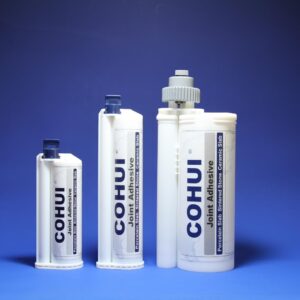
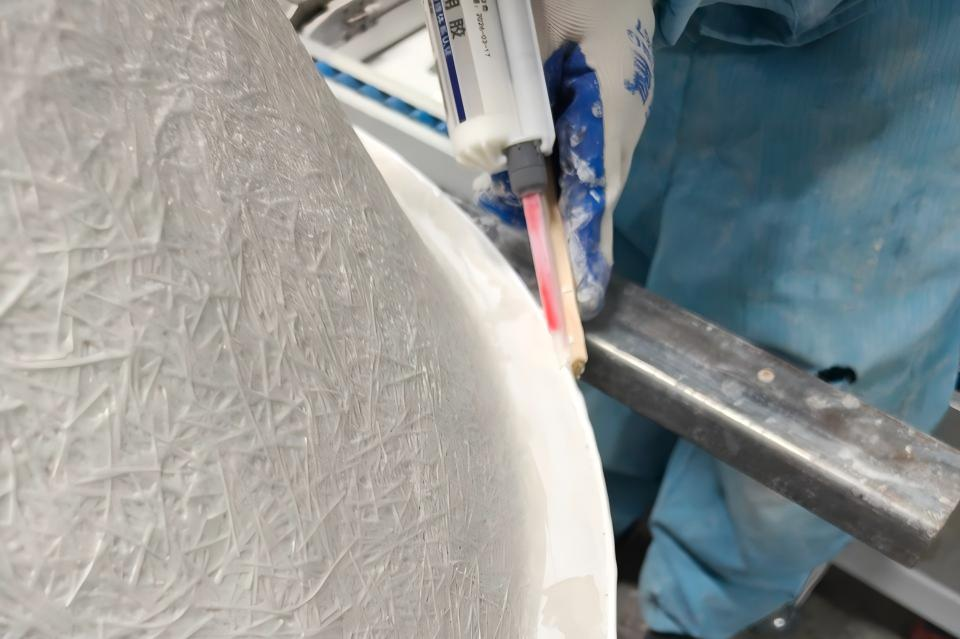
The delivery system is just as important as the chemistry inside. Even the best formulation will fail if it is improperly mixed. Global procurement standards emphasize the use of 10:1 or 1:1 two-component dispensing systems. Superior Seaming Adhesive solutions often come in specialized coaxial or side-by-side cartridges designed for use with static mixing nozzles.
This system ensures that the resin and activator are combined in the exact stoichiometric ratio required for optimal performance. Evaluating a supplier involves inspecting their cartridge design—specifically looking for robust piston seals and leak-proof caps that prevent premature polymerization. Innovation in this area focuses on reducing “manual fatigue” for factory workers and minimizing the amount of “dead volume” (wasted adhesive) left in the nozzle after application.
Benchmark 4: Technical Specifications and Performance Benchmarks
A professional evaluation must be grounded in empirical data. When identifying the ideal adhesive, buyers should look for a “structural-grade” profile that balances strength, toughness, and finish quality. The ideal high-end adhesive should meet the following benchmarks:
- Structural-Grade Tensile Strength: The adhesive should ideally reach a tensile strength of over 20 MPa. This ensures the “chemical weld” is as strong as the acrylic sheet itself, allowing the bathtub to support the immense weight of water and resist the stresses of thermal expansion without structural failure.
- Dynamic Stress Absorption: An ideal elongation at break (typically 5% to 15%) is essential. This allows the bond to act as a “shock absorber,” accommodating micro-displacements during transportation and daily use, preventing brittle cracks that often plague lower-quality alternatives.
- Precision Machining Hardness: A Shore D hardness of 70-80 is the gold standard for achieving invisible seams. This specific hardness range ensures the cured adhesive can be sanded and polished at the same rate as the acrylic substrate, resulting in a high-gloss finish where the joint is entirely imperceptible to the naked eye.
- Color Stability and Weatherability: The formulation must demonstrate high UV resistance. An ideal adhesive maintains its color synchronization with the original acrylic sheet throughout the product’s lifespan, preventing yellowing or shrinkage that would otherwise compromise the aesthetics of a premium bathroom fixture.
Benchmark 5: Sustainability and Global Compliance
In the modern industrial landscape, manufacturing excellence is inseparable from environmental responsibility. The global shift toward sustainable building materials means that adhesives must meet international standards such as REACH and RoHS. Suppliers who integrate these standards into their core production process demonstrate a forward-thinking approach that protects the buyer from future regulatory shifts.
Headquartered in Dongguan, with strategic proximity to the shipping ports of Guangzhou and Shenzhen, companies like COHUI have integrated these global logistics advantages with a rigorous quality management system. Their focus on high-performance adhesive and sealing solutions for industrial applications means their sanitary ware products benefit from the same high-tier engineering used in more demanding automotive or electronics sectors.
The Role of Technical Support in Procurement
Beyond the physical product, the value of a supplier is defined by their technical support infrastructure. Purchasing from one of the world’s top suppliers ensures access to application engineering. This includes onsite training for factory staff, guidance on substrate preparation, and troubleshooting for specific environmental challenges like high humidity or extreme temperatures.
When evaluating a manufacturer, buyers should consider the accessibility of the R&D team. Can they modify a formula to meet a specific color requirement? Do they provide detailed SOPs (Standard Operating Procedures) for adhesive application? A supplier that acts as a technical partner rather than just a vendor is essential for maintaining a seamless production line.
Selecting an acrylic bathtub adhesive is a decision that impacts the entire lifecycle of the product, from the efficiency of the factory floor to the satisfaction of the homeowner ten years later. By following a structured evaluation process—prioritizing raw material purity, curing precision, application ergonomics, and technical transparency—global buyers can ensure they are partnering with a leader in manufacturing excellence.
As the industry evolves, the integration of advanced polymer science and automated production remains the cornerstone of quality. Brands that prioritize these elements, supported by strong regional logistics and a commitment to R&D, continue to set the standard for the global market.
For more information on high-performance adhesive solutions and technical specifications, visit the corporate website.
Website: https://cohui.cn