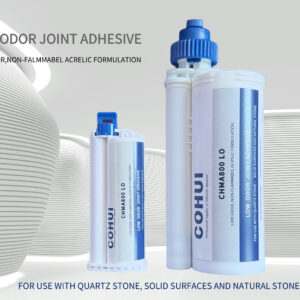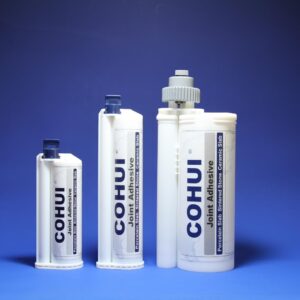

Sintered stone adhesive is a specialized bonding agent engineered to match the low porosity and high density of sintered materials, ensuring that joints remain seamless and resistant to thermal expansion or mechanical stress over time.A Certified Sintered Stone Adhesive Manufacturer plays a pivotal role in this ecosystem, providing the chemical foundation required to support the weight and rigidity of modern architectural surfaces.
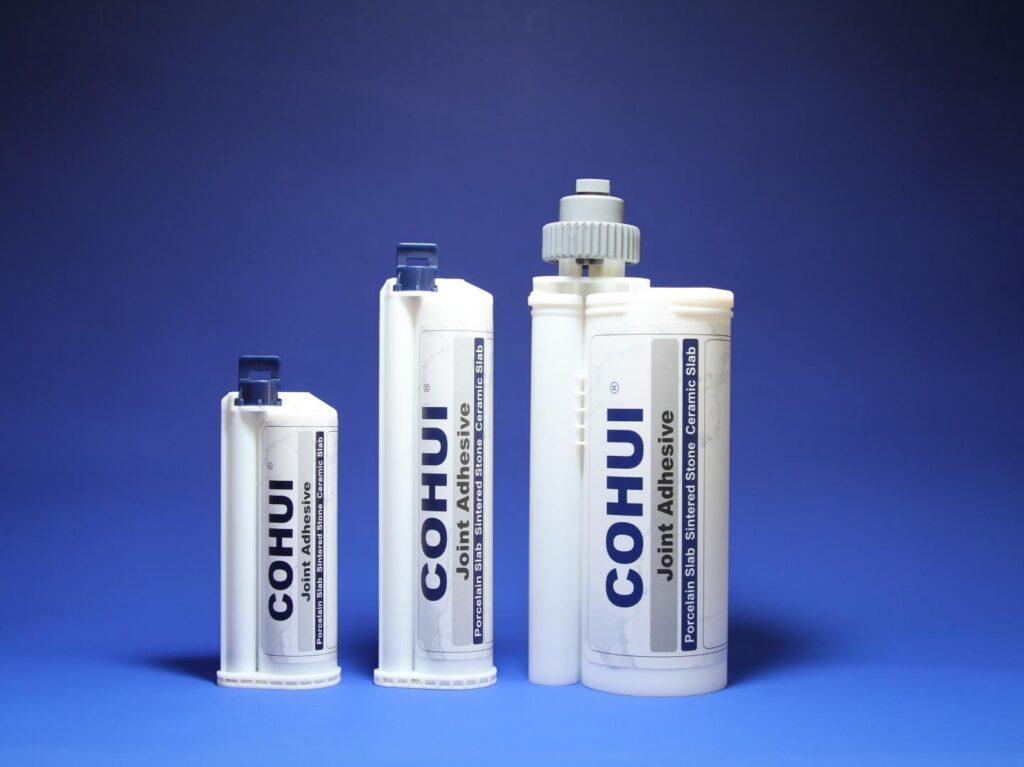
However, the market is currently divided between certified solutions and uncertified alternatives. While the latter may offer immediate cost savings, the technical disparities between the two are profound. Understanding these differences is essential for maintaining safety and aesthetic standards in high-end construction.
The Hidden Risks of Uncertified Adhesive Solutions
The primary appeal of uncertified adhesives is often their lower price point, but this economy frequently comes at the expense of chemical stability and raw material purity. Uncertified products often lack a standardized formulation, leading to significant batch-to-batch inconsistency. In practical applications, this manifests as unpredictable curing times or, more critically, a failure to achieve the necessary molecular bond with the sintered surface.
Inferior adhesives are prone to “yellowing” and “bleeding”—a process where unreacted monomers or low-quality resins migrate into the stone or react with UV light, permanently staining the seams of expensive installations. Furthermore, uncertified bonds often become brittle over time. Sintered stone, being a dense and rigid material, requires an adhesive with a specific balance of tensile strength and elasticity to absorb structural shifts. Without a certified quality control process, the risk of joint cracking or total delamination increases significantly, potentially leading to costly repairs or safety hazards in vertical cladding projects.
The ISO 9001 Framework: A Benchmark for Industrial Consistency
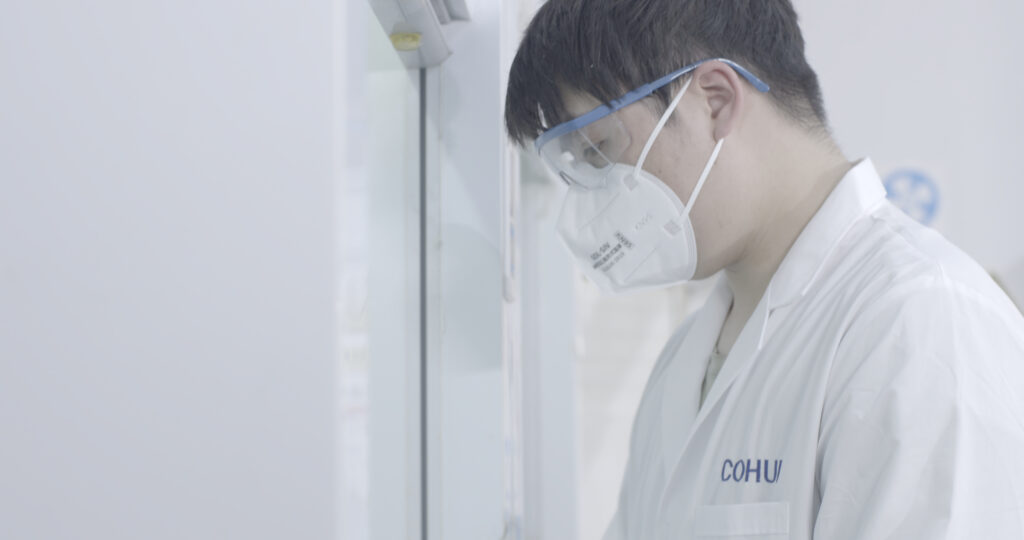
The transition from a basic chemical mix to a high-performance industrial solution is governed by rigorous international standards. ISO 9001 is not merely a badge of honor; it is a comprehensive management system that dictates every phase of the manufacturing lifecycle. For a specialized manufacturer like COHUI, which has been operating in the new material sector since 2007, this standard serves as the blueprint for its research, development, and production operations in Dongguan.The impact of ISO 9001 on adhesive quality can be broken down into four critical pillars that define the competitive edge of certified products:
a) Raw Material Traceability and Pre-Production Validation
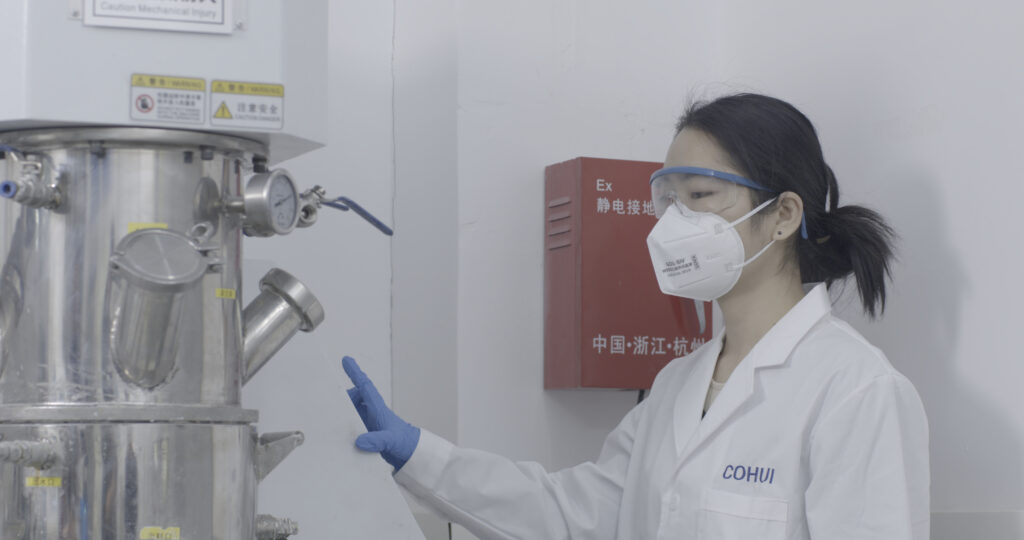
Under ISO 9001, every chemical component—from the base resins to the pigment pastes—must be sourced from approved suppliers and undergo stringent laboratory testing before entering the production line. This prevents the introduction of contaminants that could compromise the adhesive’s performance. By maintaining a headquarters within the global manufacturing hub of the Greater Bay Area, COHUI leverages its technical strength to implement a closed-loop supply chain. This ensures that the specialized adhesives used for bonding and sealing maintain a consistent viscosity and chemical reactivity, regardless of the production volume.
b) Process Control and Precision Compounding
The manufacturing of sintered stone adhesive is a delicate process involving exothermic reactions that must be carefully managed. Certified production environments utilize automated mixing and temperature control systems to ensure that the chemical cross-linking occurs uniformly. This level of precision is vital for products like the CHMA805LO series, which are designed for high-performance industrial applications. Technical parameters, such as a balanced working time of 8 to 15 minutes at room temperature (24 degrees Celsius), are not estimates but guaranteed performance windows achieved through standardized process controls.
c) Rigorous Post-Production Testing and Aging Simulations
Before any batch leaves the facility, it must undergo a series of mechanical tests. ISO 9001 protocols require manufacturers to verify Shore D hardness, shear strength, and elongation at break. For instance, high-quality adhesives typically achieve a Shore D hardness exceeding 75 after full cure, providing a surface that can be polished to a mirror-like finish that matches the stone. Certified manufacturers also conduct accelerated aging tests, exposing the bond to moisture, heat, and UV cycles to ensure that the adhesive will not degrade over a ten-year building lifecycle.
d) Continuous Improvement and Technical Innovation
A certified quality management system mandates a culture of continuous feedback. This drives innovation in R&D, leading to the development of low-VOC (Volatile Organic Compound) formulations that meet modern environmental standards without sacrificing bond strength. Innovation in this sector focuses on “Low Odor” and “Toughened” characteristics, allowing fabricators to work in indoor environments more comfortably while providing the impact resistance necessary for kitchen countertops and high-traffic flooring.
Functional Applications and Core Competencies
The practical value of a certified adhesive is best observed in complex projects where material demands are extreme. In modern interior design, sintered stone is no longer limited to flat surfaces; it is used for integrated sinks, mitered edges on kitchen islands, and expansive wall facades. These applications require the adhesive to function as both a structural bond and a visual filler.
A core competency of leading manufacturers in this space is “color matching accuracy.” Because sintered stones come in a vast array of patterns and hues, the adhesive must be available in hundreds of pre-pigmented shades. A certified production process ensures that “Natural White” or “Statuary Grey” remains identical from one year to the next. This level of reliability is why professional fabricators prioritize suppliers who integrate R&D, production, and sales into a single, cohesive operation. By focusing on high-performance sealing and bonding solutions, manufacturers can support industries ranging from home furnishing to industrial protection, ensuring that the final installation is as durable as the stone itself.
Technical Specifications for Professional Results
For the technical professional, the difference is found in the data. High-end sintered stone adhesives are typically two-part methacrylate systems. When used correctly, these systems provide a bond that is often stronger than the stone itself. Key technical indicators include:
- Mix Ratio: A precise 10:1 ratio by volume, usually delivered via specialized cartridges to ensure human error is eliminated.
- Gap Filling Capability: The ability to bridge gaps of 0.5mm to 3mm without shrinking.
- Chemical Resistance: Immunity to household cleaners, oils, and acidic substances, which is critical for food preparation surfaces.
By adhering to these technical benchmarks and maintaining ISO-certified production lines, manufacturers provide the construction industry with the confidence to push the boundaries of what is possible with new materials. Choosing a certified partner is not just a procurement decision; it is a commitment to the longevity and safety of the built environment.
For more information on high-performance adhesive solutions and technical certifications, please visit the official website: https://cohui.cn