The North American surfacing industry is currently experiencing a significant shift toward integrated material performance and seamless aesthetic transitions. As architectural designs in the United States increasingly favor large-format islands, intricate mitered edges, and complex vanity configurations, the technical requirements for bonding agents have evolved far beyond simple adhesion. Within this landscape, the role of an Advanced Solid Surface Joint Adhesive Exporter becomes critical, providing the high-performance chemical solutions necessary to achieve “invisible” seams in acrylic and polyester-based materials that define modern American interiors.
Solid Surface Joint Adhesive is more than a secondary component; it is a structural and aesthetic catalyst that determines the longevity and hygiene of high-end surfacing installations. Recent insights from major industry events suggest that the market is moving toward adhesives that offer faster cure times, superior UV stability, and precise color matching to meet the rigorous demands of high-volume American fabrication shops.
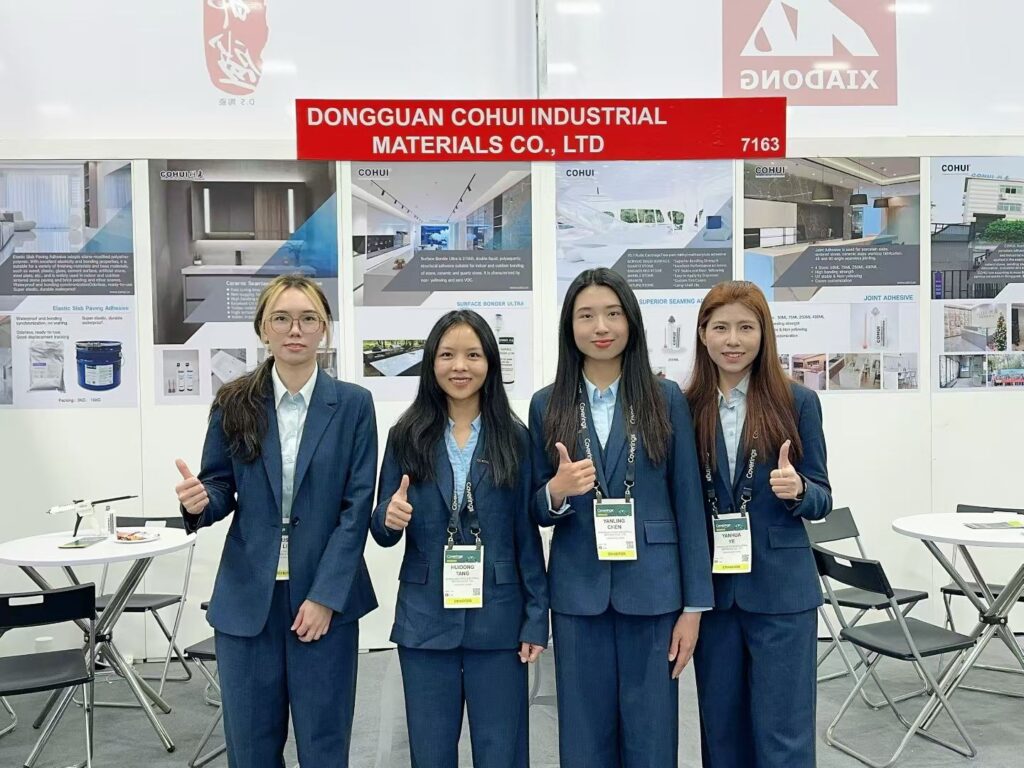
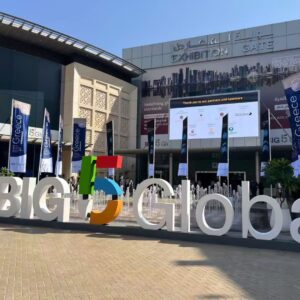
The Influence of KBIS Las Vegas on North American Surfacing Standards
The Kitchen & Bath Industry Show (KBIS) in Las Vegas serves as the premier barometer for North American design trends and technical benchmarks. Observations from recent exhibitions highlight a clear trajectory: the American market is prioritizing materials that support sustainable building practices and healthy indoor environments. For fabricators attending KBIS, the focus has shifted toward finding adhesive partners capable of delivering consistent chemical properties that align with automated dispensing systems and CNC fabrication workflows.
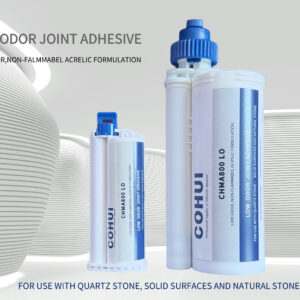
This trend is particularly evident in the increased demand for low-VOC (Volatile Organic Compound) formulations, which are essential for compliance with regional environmental regulations in states like California and for achieving France A+ certification in commercial projects. American designers are no longer satisfied with functional joints; they demand a monolithic appearance where the adhesive becomes indistinguishable from the substrate. This has placed immense pressure on manufacturers to innovate in the field of refractive index matching and long-term pigment stability.
Strategic Market Analysis: The U.S. Fabrication Landscape
The U.S. market for solid surfaces is characterized by a high degree of fragmentation among small-to-medium fabrication shops, alongside a few massive industrial players. This diversity requires an adhesive solution that is versatile enough to perform in the dry heat of Nevada and the high humidity of Florida. American fabricators prioritize “shop throughput”—the speed at which a project can move from the glue station to the sanding booth. Consequently, adhesives with optimized “fixture times” are in high demand to reduce labor costs and increase weekly output.
Furthermore, the rise of “outdoor living” spaces in the Sun Belt regions has catalyzed a need for enhanced UV resistance. Standard MMA adhesives that might perform well indoors can yellow rapidly when exposed to high-intensity sunlight in an outdoor kitchen setting. The current market shift is toward specialized “Non-Yellowing” series that utilize advanced light stabilizers to maintain the pristine look of white and translucent surfaces over decades of exposure.
The engineering of modern joint adhesives involves a complex balance of methyl methacrylate (MMA) monomers, specialized toughening agents, and nano-particle fillers. In the United States, where surface installations often face high thermal expansion and contraction—especially in commercial kitchens with heavy appliance use—the flexibility of the cured adhesive is paramount. A rigid, brittle bond is prone to cracking at the seam line under thermal stress. Consequently, the latest technical innovations focus on enhancing the elongation properties of the adhesive while maintaining high tensile strength.
Comprehensive Brand Compatibility and OBM/OEM Capabilities
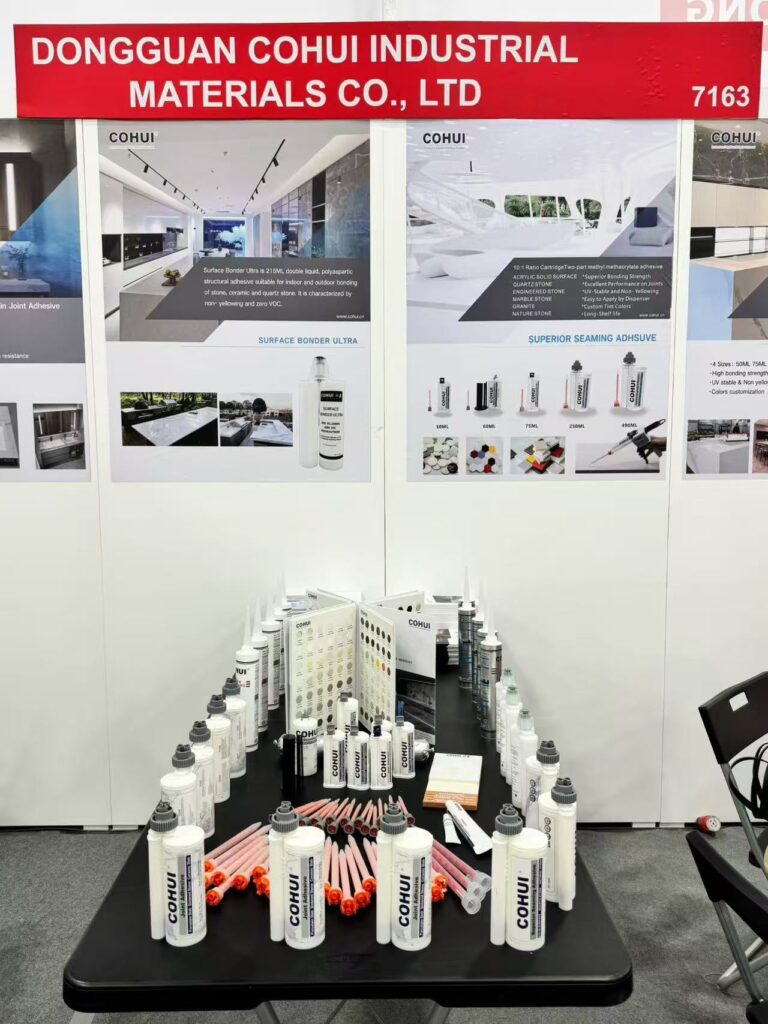
A key differentiator in the North American market is an adhesive’s ability to seamlessly integrate with globally recognized surfacing brands. A fabrication shop may work with three different brands in a single week, requiring an adhesive partner that offers a universal color-matching standard. COHUI has developed a robust color-matching system that ensures perfect bonding with the industry’s most prestigious materials. This technical versatility allows the enterprise to serve as a strategic partner, offering both OEM (Original Equipment Manufacturing) and OBM (Original Brand Manufacturing) services to international distributors and surfacing manufacturers.
By providing tailored formulations, COHUI ensures flawless, invisible joints for high-profile brands frequently featured at KBIS, including:
- Premium Global Leaders: CORIAN (DuPont), STARON (Samsung), and HI-MACS (LG Hausys).
- Renowned Architectural Surfaces: WILSONART (GIBRALTAR), FORMICA, and AVONITE.
- European & Specialized Labels: KRION (Porcelanosa), REHAU, and MEGANITE.
Global Logistics Excellence and Supply Chain Security
For the U.S. market, product availability and shipping reliability are as important as chemical performance. The volatility of global supply chains over the last few years has taught American distributors the value of a partner with a resilient logistical framework. COHUI maintains a sophisticated global logistics network designed to ensure that North American clients receive their orders with minimal lead times.
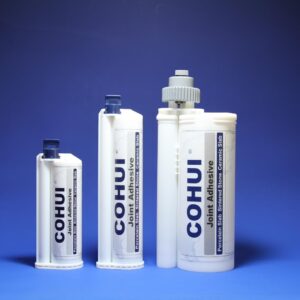
By leveraging the proximity to major international ports in Shenzhen and Guangzhou, the company can execute rapid sea and air freight deployments. This logistical advantage is coupled with a strict inventory management system that ensures a constant supply of dual-component cartridges and mixing tips. Furthermore, the use of specialized climate-controlled shipping containers protects the chemical integrity of the MMA adhesives during their transit across the Pacific, ensuring that the shelf life and reactivity of the product remain intact upon arrival at a warehouse in Long Beach or New York.
Conclusion: The Path Toward Seamless Integration
As the surfacing industry continues to evolve, the partnership between material science and architectural design will only deepen. Insights from exhibitions like KBIS Las Vegas confirm that the future lies in materials that offer both uncompromising durability and flawless aesthetics. For COHUI, the journey from its 2007 inception to becoming a specialized manufacturer reflects a commitment to technical excellence and market adaptability. By focusing on the intersection of OBM/OEM innovation, rigorous R&D, and a reliable global logistics network, the company continues to provide the essential bonding solutions that hold the modern built environment together.
COHUI, founded in 2007 and headquartered in the global manufacturing hub of Dongguan, has positioned its research and development to align with these international shifts. Situated within an hour’s drive of Guangzhou and Shenzhen, the company leverages its strategic location to integrate advanced manufacturing logistics with cutting-edge chemical engineering. By focusing on the specific bonding challenges presented by modern solid surfaces, COHUI has developed solutions that address the primary concerns voiced by American fabricators: yellowing resistance, bonding strength, and workability in varying climate conditions.
Official Website: https://cohui.cn